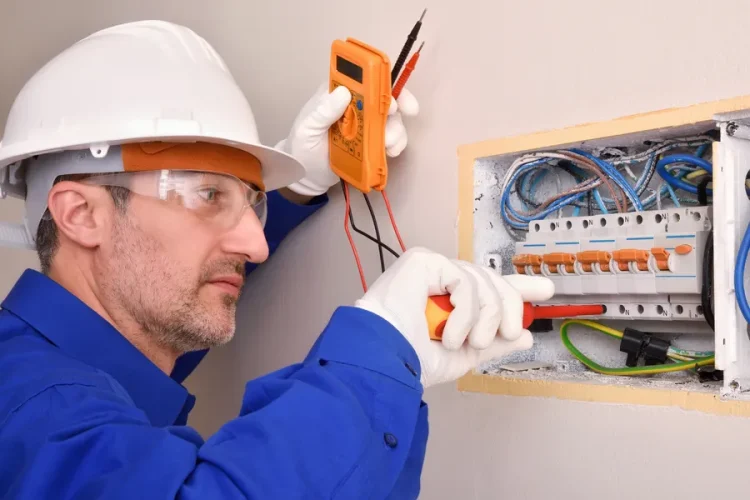
Your electrical panel sits at the heart of your home’s power system, distributing electricity to every outlet, appliance, and fixture. When it can’t keep up with modern demands anymore, an upgrade becomes necessary. But what actually happens during an electrical panel upgrade? Here’s the real story—without the fluff.
Before Installation Day: The Setup Phase
The work begins before anyone shows up at your door. Your electrician needs to coordinate several moving pieces to make this happen.
First comes the site assessment. An electrician will inspect your current panel, check the condition of your wiring, and measure your home’s electrical load. They’re looking for potential problems—corroded connections, outdated wiring, inadequate grounding. This assessment determines whether you need a straightforward panel swap or if additional work is required.
Next, permits get pulled. Every municipality requires permits for panel upgrades, and only licensed electricians can obtain them. This isn’t bureaucratic red tape—it ensures your new panel meets current safety codes and protects you from future insurance headaches.
Your electrician also coordinates with your utility company to schedule a power disconnect and reconnect. This coordination is critical because you can’t safely work on a panel that’s still receiving power from the grid. Depending on your utility company’s workload, scheduling this disconnect can take anywhere from a few days to several weeks.
What Installation Day Actually Looks Like
Plan on being without power for 6 to 8 hours on installation day. Some jobs finish faster, others take longer—it depends on your home’s specific situation.
Morning: Power Down and Preparation
The utility company arrives first, typically early in the morning. They disconnect power at the source—either at the pole for overhead service or at the transformer for underground service. Once they’ve confirmed the power is off, your electricians can begin.
Before touching anything, they’ll verify the panel is completely de-energized. Even experienced electricians don’t skip this step. Then they start photographing and labeling every circuit. This documentation ensures all your circuits get reconnected to the right breakers.
Midday: Out with the Old
Removing the old panel requires careful precision. Each wire gets disconnected one at a time, with constant attention to which circuit it serves. If your home has older wiring—like aluminum or knob-and-tube—the electrician might discover issues that need addressing before the new panel can go in.
The physical removal exposes what’s been hidden behind that metal box for decades. Corroded wires, loose connections, improper grounding—all of it becomes visible. A good electrician won’t just ignore these problems and move on.
Afternoon: Installing the New System
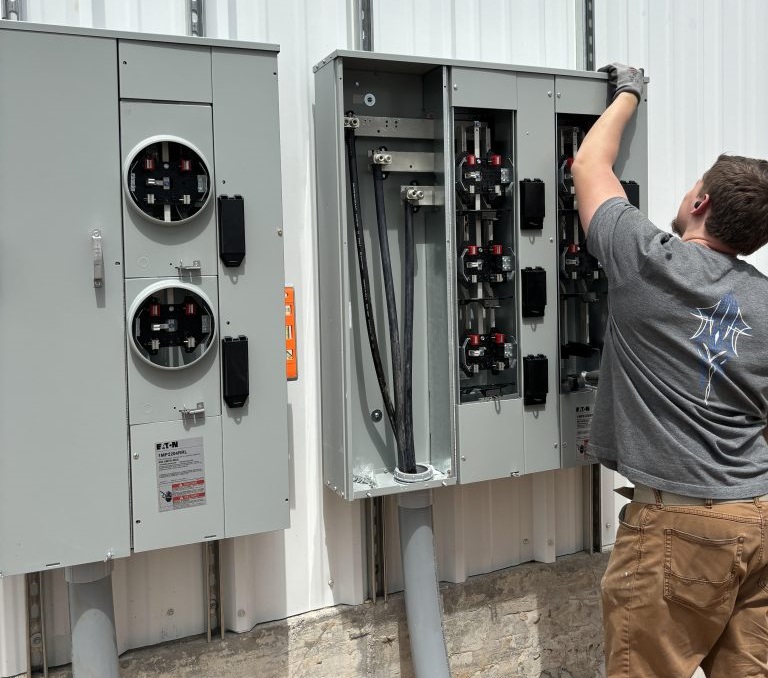
The new panel gets mounted securely in place. Modern panels typically offer 200-amp service—double what many older homes had. This increased capacity handles today’s electrical demands: central air conditioning, electric vehicle chargers, smart home systems, and all the devices we run simultaneously.
Your electrician installs the main breaker first, then begins reconnecting circuits. Each wire gets properly secured and torqued to manufacturer specifications. Loose connections cause problems down the road, so this step takes time.
The grounding system also gets upgraded. Current code requires two ground rods driven eight feet into the earth, plus a connection to your home’s cold water pipe. Proper grounding protects you from electrical shocks and prevents equipment damage during power surges.
Once all circuits are connected, the panel gets labeled. Clear labeling isn’t just convenient—it’s a safety requirement. Anyone who needs to shut off a circuit in an emergency should be able to identify the right breaker immediately.
Testing and Inspection: Making Sure Everything Works
After installation comes the testing phase. Your electrician methodically checks every circuit, confirming that all connections are solid and everything operates correctly. They’re looking for proper voltage, making sure breakers trip when they should, and verifying that ground fault circuit interrupters (GFCIs) function properly.
When testing is complete, a municipal inspector arrives to review the work. They check compliance with the National Electrical Code and local regulations. This inspection isn’t a formality—inspectors regularly find issues that need correction.
If everything passes, the inspector signs off and contacts your utility company. The utility then sends someone to reconnect your power at the source. Within minutes of that reconnection, you have a fully operational electrical system with modern safety features and adequate capacity for your needs.
Timeline: From Start to Finish
The actual installation takes one full day. But the complete process—from initial consultation to final inspection approval—typically spans one to three weeks.
Here’s the realistic breakdown:
- Initial consultation and quote: 1-3 days
- Permit processing: 3-10 days depending on your municipality
- Utility company coordination: 1-2 weeks (sometimes longer during peak seasons)
- Installation day: 6-8 hours
- Inspection scheduling: Same day to 1 week later
- Final utility reconnection: Same day as inspection approval
Your home’s specific situation affects this timeline. Underground service takes longer than overhead. Panel relocations add time. Extensive rewiring extends the project. Talk to your electrician about your particular setup.
What Affects Installation Time
Several factors determine how long your specific upgrade will take:
Wiring condition: If your existing wiring is in good shape, the swap goes faster. Corroded connections, damaged insulation, or undersized wires require additional work.
Panel capacity: Upgrading from 100 amps to 200 amps is straightforward. But if you’re going from a 60-amp fuse box to a modern breaker panel, expect more complexity.
Location accessibility: Panels in open garages or basements are easier to access than those in cramped closets or behind furniture. Clear access speeds up the job.
Additional upgrades: If you’re simultaneously adding circuits for specific appliances—like EV chargers or heat pumps—plan for extra time.
Service type: Overhead service connections are simpler than underground. Underground services may require trenching, conduit installation, and multiple inspections.
How to Prepare Your Home
You can make installation day smoother with some advance preparation:
Clear a path to your electrical panel. Move furniture, storage boxes, and anything else blocking access. Your electricians need room to work safely and efficiently.
Back up important computer files and data. While professional electricians take precautions, power fluctuations during testing can happen.
Plan for the power outage. Charge your devices the night before. If you work from home, arrange alternate workspace for the day. Your internet modem won’t work without power.
Keep your refrigerator and freezer closed. As long as you don’t open them repeatedly, they’ll maintain safe temperatures throughout the workday.
Make arrangements for pets and young children. An electrical panel upgrade involves serious safety considerations. Keep vulnerable family members away from the work area.
Communicate bathroom access. Let your electrician know which bathroom the crew can use. Some homeowners prefer to rent a portable unit—discuss this upfront.
After Installation: What Happens Next
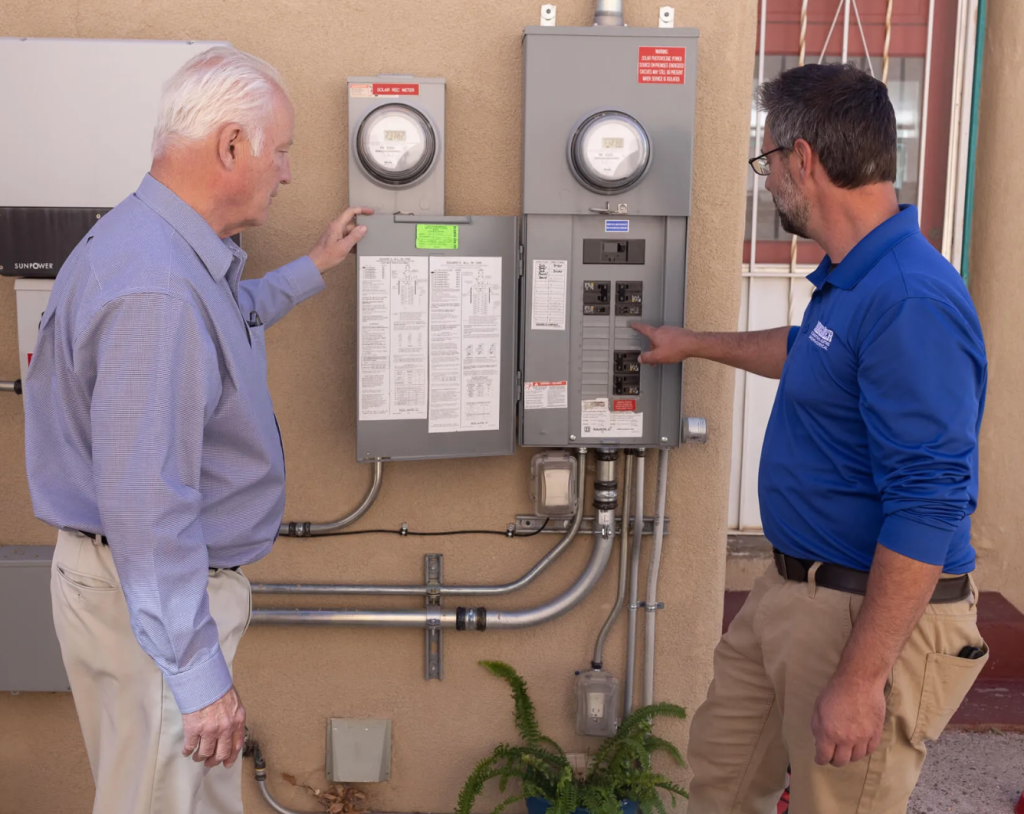
Once power is restored, take time to familiarize yourself with your new panel. Walk through it with your electrician before they leave. Understand which breakers control which areas of your home.
Keep your installation documentation. File the permits, inspection reports, and warranty information somewhere safe. You’ll need these documents if you sell your home or do future electrical work.
Schedule any deferred maintenance. If your electrician identified wiring issues during the installation, address them. Old aluminum wiring, outdated outlets, or insufficient grounding shouldn’t wait.
Common Questions Homeowners Ask
Will my power really be off the entire day?
Yes, for the most part. Power needs to stay off while electricians work on the panel. Some electricians use temporary power setups for very long jobs, but standard installations require a full day without electricity.
Can I do this myself to save money?
No. Beyond being dangerous, electrical panel upgrades require permits that only licensed electricians can pull. DIY panel work voids your homeowner’s insurance and creates serious legal problems when you try to sell your home. If an electrical fire occurs, your insurance company will investigate—and an unpermitted DIY panel installation means they’ll deny your claim.
How much does an electrical panel upgrade cost?
Most homeowners pay between $1,500 and $4,000 for a standard panel upgrade, depending on several factors: your home’s size, the panel capacity you’re upgrading to, the condition of your existing wiring, and your geographic location. Complex jobs involving panel relocation or extensive rewiring can cost $5,000 to $8,000 or more.
Do I need to upgrade before adding solar panels or an EV charger?
Often, yes. Both solar systems and electric vehicle chargers draw significant power. If your current panel is already near capacity, you’ll need an upgrade. Your solar installer or electrician can assess whether your existing panel has the capacity and physical space for these additions.
How long will my new panel last?
A properly installed electrical panel typically lasts 25 to 40 years. The longevity depends on usage patterns, environmental conditions, and maintenance. Regular inspections can identify developing issues before they become serious problems.
Why Professional Installation Matters
Electrical work kills people when done incorrectly. That’s not hyperbole—improper panel installation causes house fires, electrocutions, and equipment damage.
Licensed electricians bring years of training and experience. They understand load calculations, grounding requirements, and code compliance. They carry specialized tools and safety equipment. They know how to coordinate with utility companies and navigate inspection requirements.
More importantly, professional installation protects you legally and financially. Permitted, inspected work satisfies insurance companies and future home buyers. It ensures your electrical system can actually handle the loads you’re putting on it.
Signs You Need an Upgrade
Most homeowners know when their panel is struggling. Breakers trip frequently. Lights dim when you run certain appliances. You smell burning plastic near the panel. The panel feels warm to the touch.
Other signs are less obvious. If your home still has a fuse box, it needs upgrading. If you’re adding major appliances and your panel has no available slots for new circuits, you need more capacity. If your home was built before 1990 and still has its original panel, it’s probably time.
Don’t wait for an emergency. A struggling electrical panel is a safety hazard that gets worse over time.
Moving Forward
An electrical panel upgrade is a significant investment in your home’s safety and functionality. The installation process involves coordination, careful work, and proper inspection. While the day without power can be inconvenient, the result is a safer, more capable electrical system.
Work with a licensed electrician who explains the process clearly, provides detailed estimates, and stands behind their work. Ask questions. Understand what’s happening in your home. The right professional will take time to ensure you’re comfortable with every aspect of the upgrade.
Your electrical system powers everything in your home. It deserves proper attention from qualified professionals who do the job right.
Ready to upgrade your electrical panel? Our licensed electricians have decades of combined experience handling panel upgrades of all complexities. We coordinate all permits and inspections, work with your utility company to minimize downtime, and ensure your new system meets current safety codes. Check out our range of electrical installation services to learn more about our comprehensive electrical services, or call us at (859) 441-7161 to schedule your free assessment. We’ll walk you through the process, answer all your questions, and provide a detailed estimate with no obligation.


10 comments on “Electrical Panel Upgrade: What to Expect During Installation”